
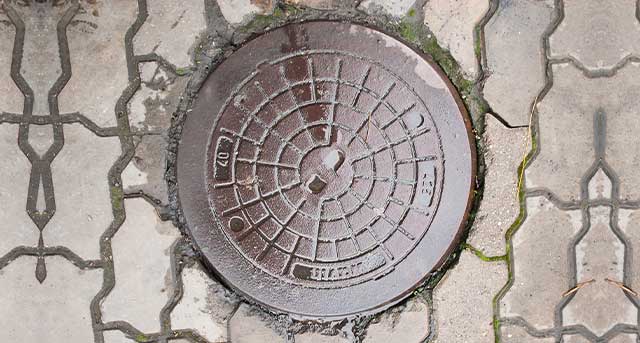
Your sewer drain problems are no problem for our experienced plumbers. As licensed plumbers, they understand how your sewer drains work and know the best possible solution to make any sewer drain clog problem disappear. It doesn’t matter which fixture is clogged. Jim Wagner Plumbing, Inc. fixes kitchen sink sewer drains, bathtub sewer drains, shower sewer drains, floor sewer drains, back yard sewer drains, garage sewer drains, any sewer drain back up including main sewer drains. With the help of our sewer drain line video camera, we easily locate and detect the cause of sewer drain problems. We even know specifically what the cause of the problem is and its exact location.
Do you have a sewer drain that is tree root infested and overflows occasionally?
Trees are not the problem when you have a tree root infested sewer drain. The design flaws with the sewer drain are the real problem. Years ago engineers introduced clay tile sewer drain pipe. This is a great product and still works well today… we have even dug up clay sewer drains that are over 75 years old and the sewer drain pipe is still good. However, the problem with these clay sewer drain pipes is the way they connect to each other. This pipe interlocks with a bell and spigot design where on one end the sewer drain pipe is larger so it goes over another piece. It makes sense, but over time, gaps occur in the interlocked sewer drain pipes. Years ago concrete mortar was used to seal these sewer drain connections. Everyone has seen how weeds grow through cracks in concrete sidewalks; tree roots enter the sewer drain the same way.
One solution is to use sewer drain cleaning methods and root cutters to cut the roots out of the sewer drain. This practice has been used since the development of clay pipe, however the tree roots grow back.
Some sewer drain lines are root infested and you wouldn’t even know it. Unknown root infestations are often discovered at the most inopportune times: when guests are visiting for the holidays. The additional guests increase water use in the home. The home may be able to handle the regular use of 4 people, but the additional people will bring the tree root problem to light. Roots grow in the sewer drain and allow water to drain, it’s the waste and toilet paper that create the clog. Toilet paper is bio degradable and dissolves in a short period of time, but with added users it can’t biodegrade at the rate new waste arrives. A toilet paper clog could dam up the pipe and the length and diameter of the sewer drain can hold hundreds of gallons of water. Sometimes enough capacity to allow enough time for the toilet paper to dissolve allowing the water to drain out. This situation creates the next sewer problem plumbers refer to as the “belly”.
My sewer drain is bellied. How does that happen?
1) This happens when the ground was removed to install the sewer drain pipe the ground below the pipe wasn’t at a 100% compaction. Over time the ground will settle and so will the sewer drain.
2) Another way a clay sewer drain bellies is when it fills up with water and leaks out of the sewer drain pipe at the concrete mortar connections. This saturates the soil around the sewer drain pipe. When the sewer drain pipe is unclogged, either by the paper and waste breaking down or by root cutting rodding method, the water saturated dirt will drain back into the sewer drain. This creates a belly in the pipe. This is easily spotted when you can see a dip in the yard where the sewer drain is located.
My sewer drain has a misalignment. How does that happen?
This happens the same way a sewer drain bellies. Refer to the “My sewer drain is bellied” section. As you know by now if you have read the “Do you have a sewer drain that is tree root infested and overflows occasionally?” section of this page. Clay sewer drain pipe is connected together with concrete mortar connections. Concrete and mortar does not really adhere very well to clay sewer drains so if your sewer drain fills up with water it can push the concrete mortar seal right out, allowing the sewer drain pipe to shift. A sewer drain shift can cause a collapse.
My sewer drain has sheered off. How does that happen?
Another common problem is a sewer drain that exits the home through the foundation wall. When a sewer drain exits the home horizontally above the basement floor it can sheer off just on the outside of the foundation wall. This misalignment is known as a “sheer off” referring to the brittle sewer drain cast iron pipe cracking in half and dropping usually caused by settlement. Drainage starts to leak out, eventually contaminating the seepage “rain water pump pit” causing a heavy sewer gas smell.
My sewer drain is collapsed. How does that happen?
This happens for a variety of reasons. The one we see the most is a tree root that enters the sewer drain connection as a small root and grows to the point were it will break the sewer drain pipe, creating a collapse.
Jim Wagner Plumbing, Inc. offers several preventive sewer drain cleaning packages. Our most popular package includes rodding every sewer drain in the home at a preferred rate. Call us at (630) 577-9241 for a free consultation.
Does your sewer drain clog on account of food build up or grease?
Our industrial HYDRO-JET sewer drain scouring equipment removes grease and debris that accumulate over time, reducing or eliminating costly sewer drain back-ups. We take pride in the cause and effect diagnosis. There are several things we look at like the temperature of the hot water, adjusting the auto water flow on the food waste disposal. Are your toilets the cause of your backed up sewer drain? Click on the flush-mate video to see the what the industry standards are.
Do you need to be sure your sewer drain are always clear?
Jim Wagner Plumbing, Inc. provides sewer drain Maintenance service which keeps your sewer drain clear to avoid backups during peak operating times.
Are you experiencing a reoccurring sewer drain problem?
Hydro-Jet drain cleaning is the most effective form of sewer drain cleaning available. It removes all of the debris that accumulates in the sewer drain. Over time, sewer drain become impacted and the internal diameter decreases slowly until the sewer drain pipe is completely clogged. Regular snaking (an electric drain cleaner) only bores a hole to provide short-term relief, causing the problem to occur more frequently. A Hydro-Jet or hydro jetter treatment will remove most, if not all of the debris, depending on the amount of accumulation and the time since the last cleaning, resulting in TROUBLE-FREE sewer drain.
